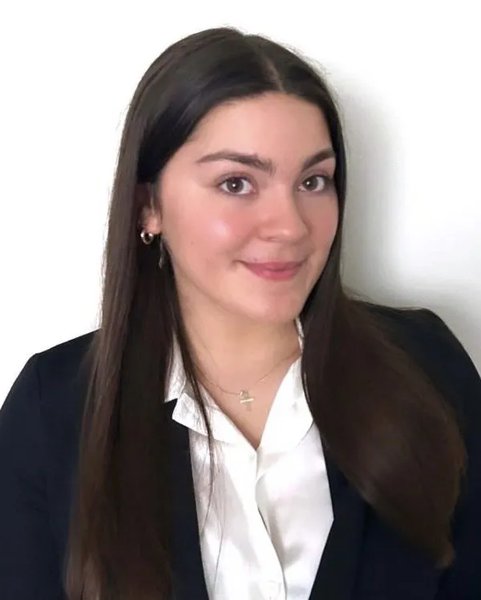
When your preceptor asks you to drop everything and drive 150 miles towards a hurricane, how could you possibly say no? On Thursday, October 8, roughly 24 hours before Hurricane Isaias struck the Florida Panhandle as a Category 2 storm, I found myself headed to Florida’s State Emergency Operations Center (SEOC).
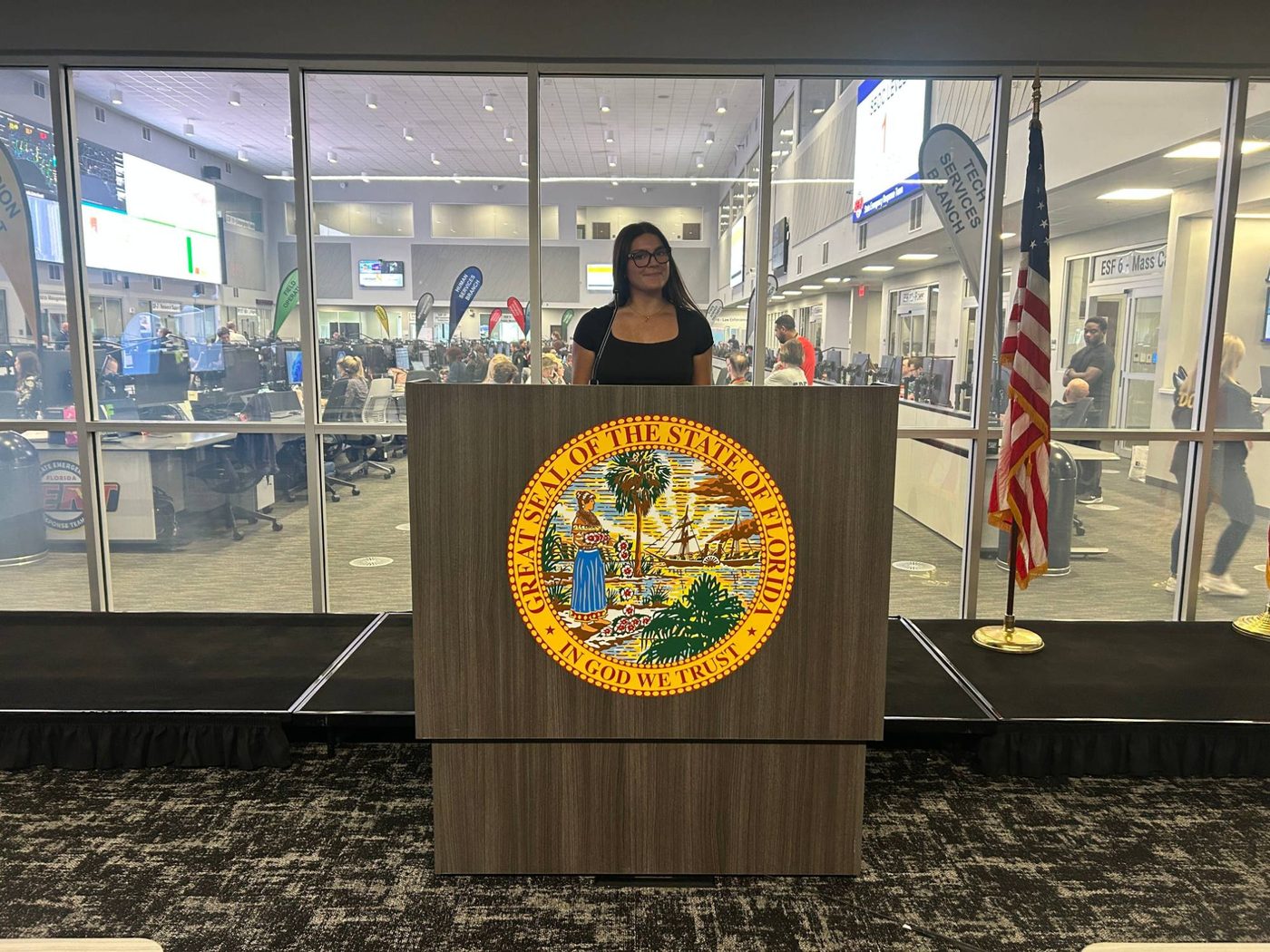
Prior to this activation, my emergency management knowledge mostly existed in the abstract realm: FEMA courses, comprehensive emergency management plans (CEMPs), joint meetings, and endless questioning of my peers.
As an intern with Alachua County Emergency Management currently pursuing a Master of Public Health at the University of Florida, Director Jen Grice believed my best mission would be working under Emergency Support Function (ESF) 8: Public Health and Medical. Accepting the deployment immediately led to a series of excited phone calls home and running around the county emergency operations center (EOC) in preparation. While our Assistant Director covered all his bases with important paperwork, essential electronics, and warnings about different stress-induced personalities, I sat in his office starry-eyed at the prospect of finally experiencing a true activation.
I found that even telling my roommates that I was being deployed to the SEOC had a cinematic ring to it. As I packed my satellite phone and county badge into my car, I pictured screaming officials with papers flying around while the Bravo shift was sleeping underneath them on the EOC floor — just like a movie.
To describe Florida’s SEOC as a well-oiled machine doesn’t quite capture the coordination and response I witnessed this past weekend. While the emergency management theater in movies might have been exhilarating, I found something far more fulfilling in the relative calm and professionalism of the response.
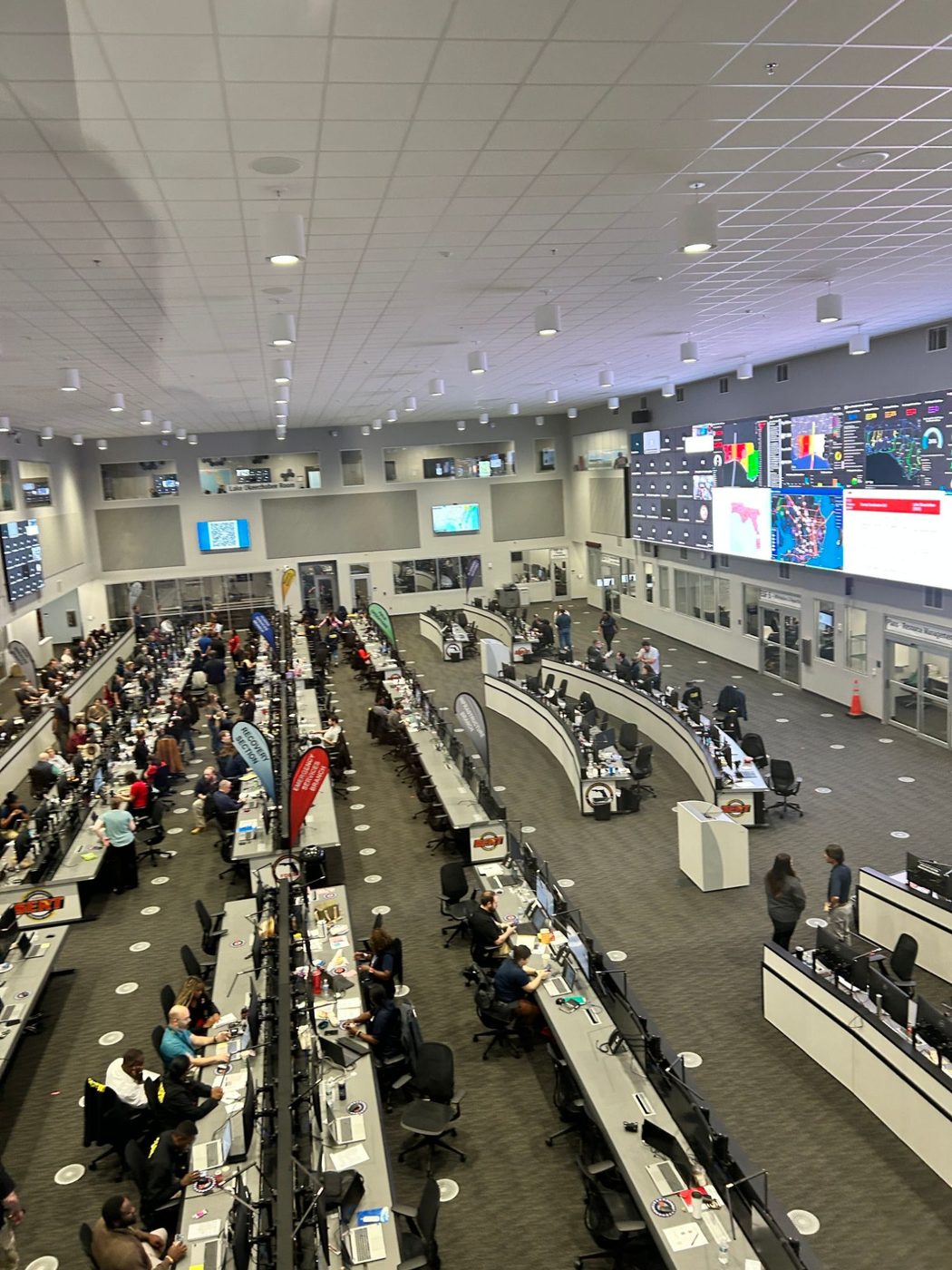
People weren’t just acting calm—they were actually calm. The calm was a result of immense preparation and fine-tuned execution. Under ESF 8, when patient transport is running smoothly, facilities’ CEMPs are adhered to, and county health departments coordinate, there is no need to panic. While no hospitals or other health care facilities were evacuated during my time at the SEOC, even that high stress situation would be followed by protocol and guided by best practices. The truth is, understanding roles and responsibilities might be the most important aspect of an activation response. Lots of people know what needs to be done and even how to do it. When multiple counties and thousands of residents are impacted by a storm, coordination rests on defining roles so there are no gaps or overlaps.
What was most impressive wasn’t the response itself, it was the work that made it possible.
Even while operating under the National Incident Management System (NIMS), every EOC is organized differently. I quickly adapted to an unfamiliar structure, learning ESFs and branches that have no equivalent in my county. Despite the structural differences, one thing remained the same: everything is connected.
A particularly interesting example I encountered is between ESF 8 under the Emergency Services Branch and ESF 6 (Mass Care) under the Human Services Branch. ESF 8 supports special needs sheltering, but interbranch coordination becomes necessary when special needs shelters are co-located with general population shelters, which are handled by ESF 6.
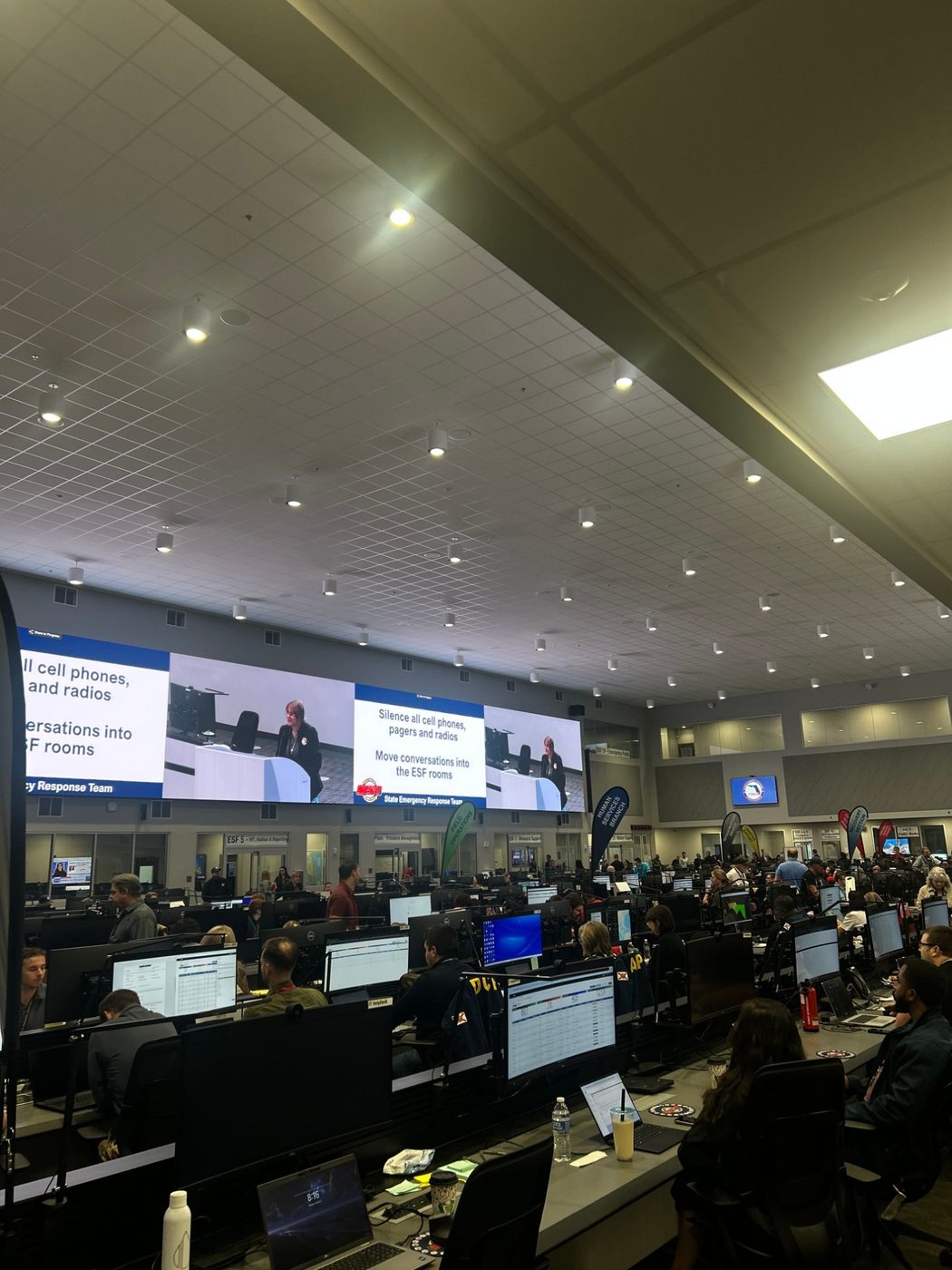
Thankfully Isaias was quickly downgraded as it made landfall, and many senior officials in state and federal agencies took time out of their day to sit with me and answer various questions I had. Though I originally entered the activation with a public health lens, conversations with professionals across state and federal agencies gave me a much broader understanding of emergency management and, unsurprisingly, even more questions than when I arrived.
From a career standpoint, this activation highlighted how many different professional backgrounds were present. Emergency management extends far beyond the Division of Emergency Management. Professionals in public health, communications, engineering, cybersecurity, agriculture, and first response all play important roles in preparedness and response. I found this very encouraging. At 21 years old, my various interests and aspirations sometimes feel disjointed, but an experience like this shows that there are career paths you might never have considered.
Through my time with Ready for Tuesday and PEER, I spend a considerable amount of time thinking about how emergency preparedness looks in a different context: elections. My experience at the SEOC reinforced my belief in an all hazards approach through joint coordination. Election administrators can’t prepare for every situation during an election: power outages, physical and cyber security threats, floods, etc. However, planning, establishing contacts, and defining roles and responsibilities can help an office be more prepared for whatever may happen. I learned that preparedness works.
With another election rapidly approaching, I hope my experience encourages election officials to connect with their local emergency managers and other key partners before an emergency occurs. For students and young professionals, I hope this serves as encouragement to pursue unfamiliar opportunities, ask questions, and explore the many ways to contribute to emergency preparedness.
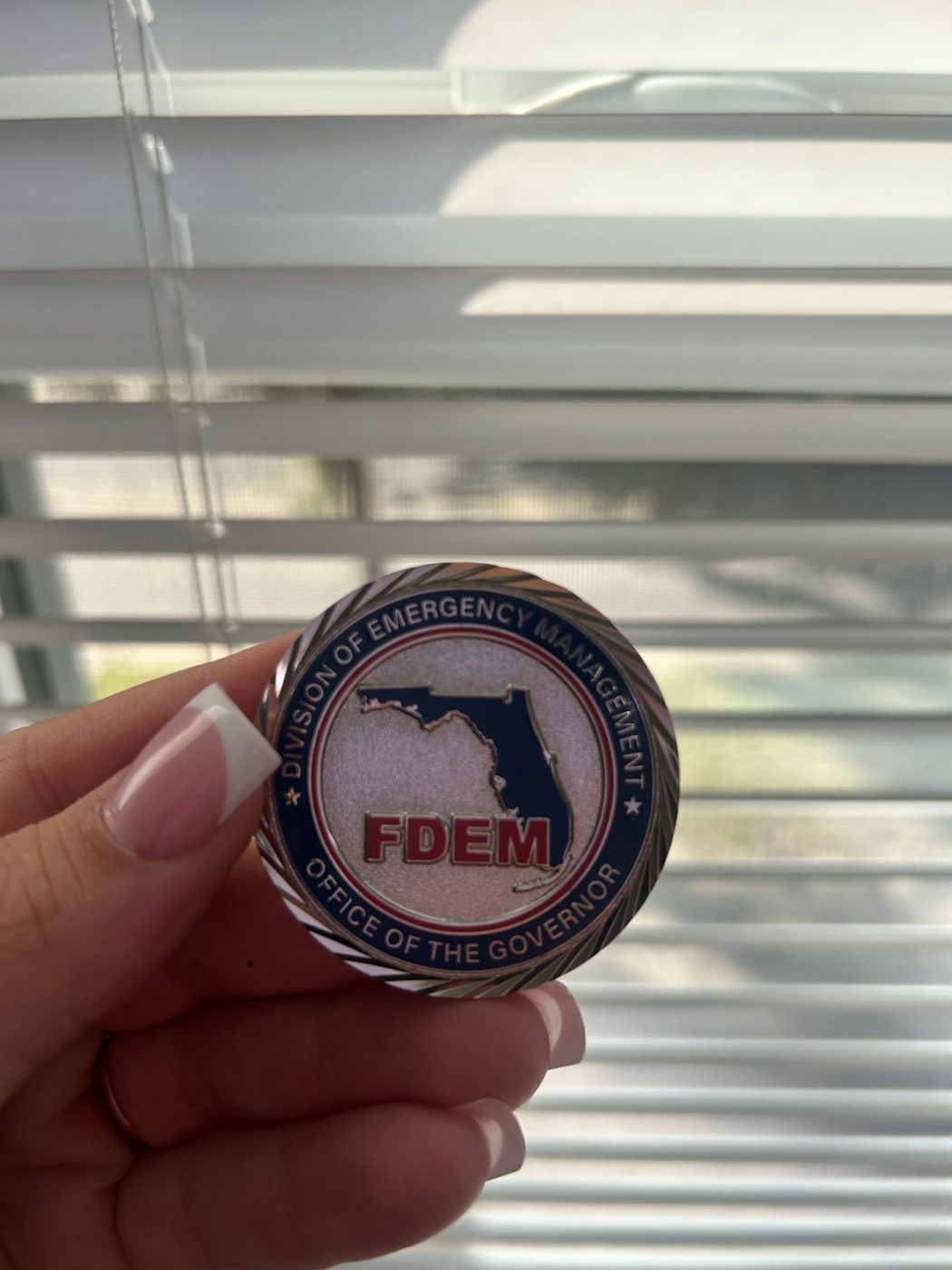
I arrived at the SEOC starry-eyed, expecting movie–like chaos. Instead, I witnessed the remarkable results of preparedness and coordination. What was most impressive wasn’t the response itself, it was the work that made it possible.